KADE / ANALYTICAL LENSES

One question.
Several perspectives.

KADE starts with eight market lenses that examine the institution’s permitted context. Additional market lenses will follow, alongside Policy Lenses. Each perspective keeps its evidence.

01 / THE MARKET READ

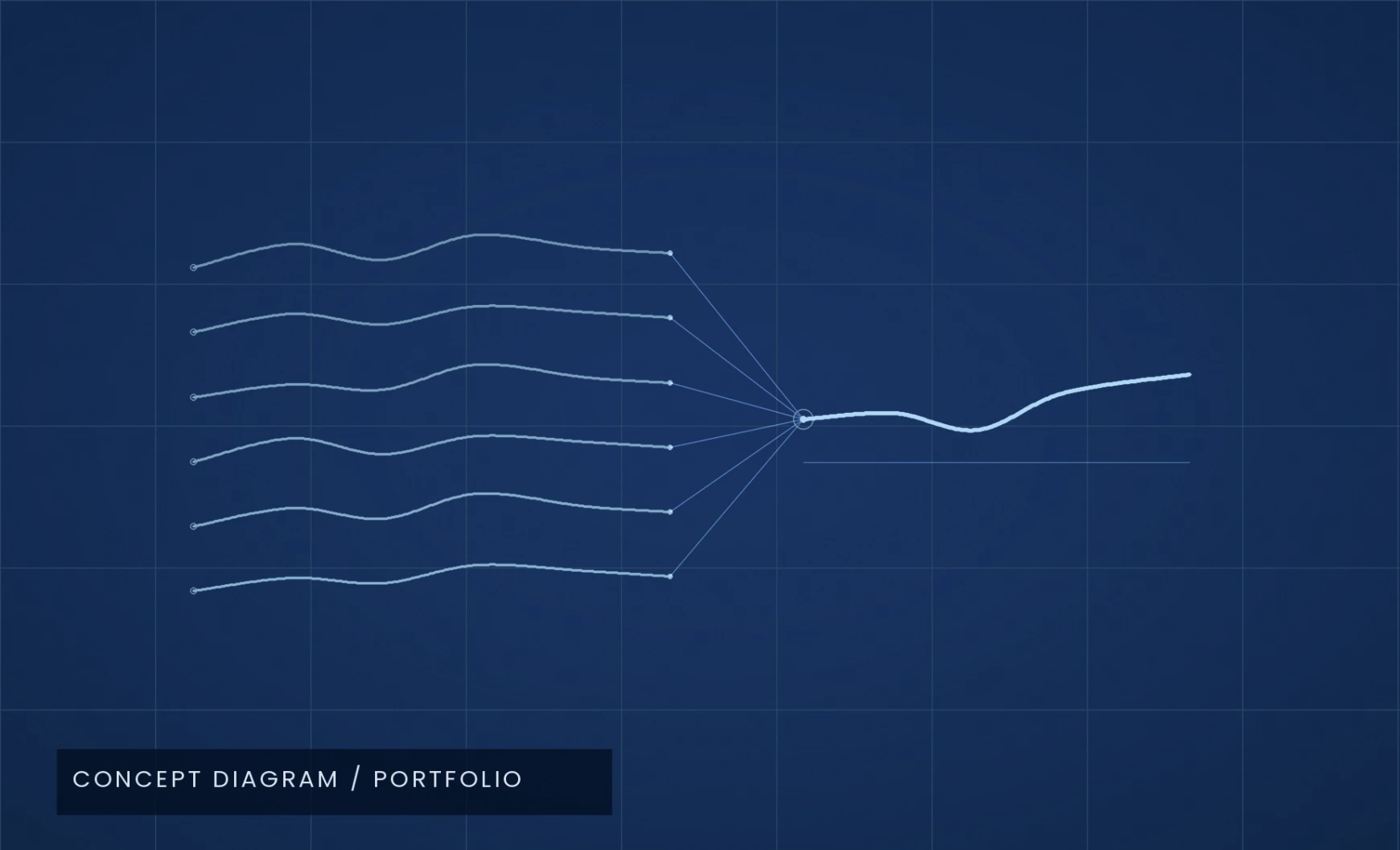
01 / Portfolio

Many holdings.
One view.

Holdings, exposures and dependencies. Read together, with their context retained.
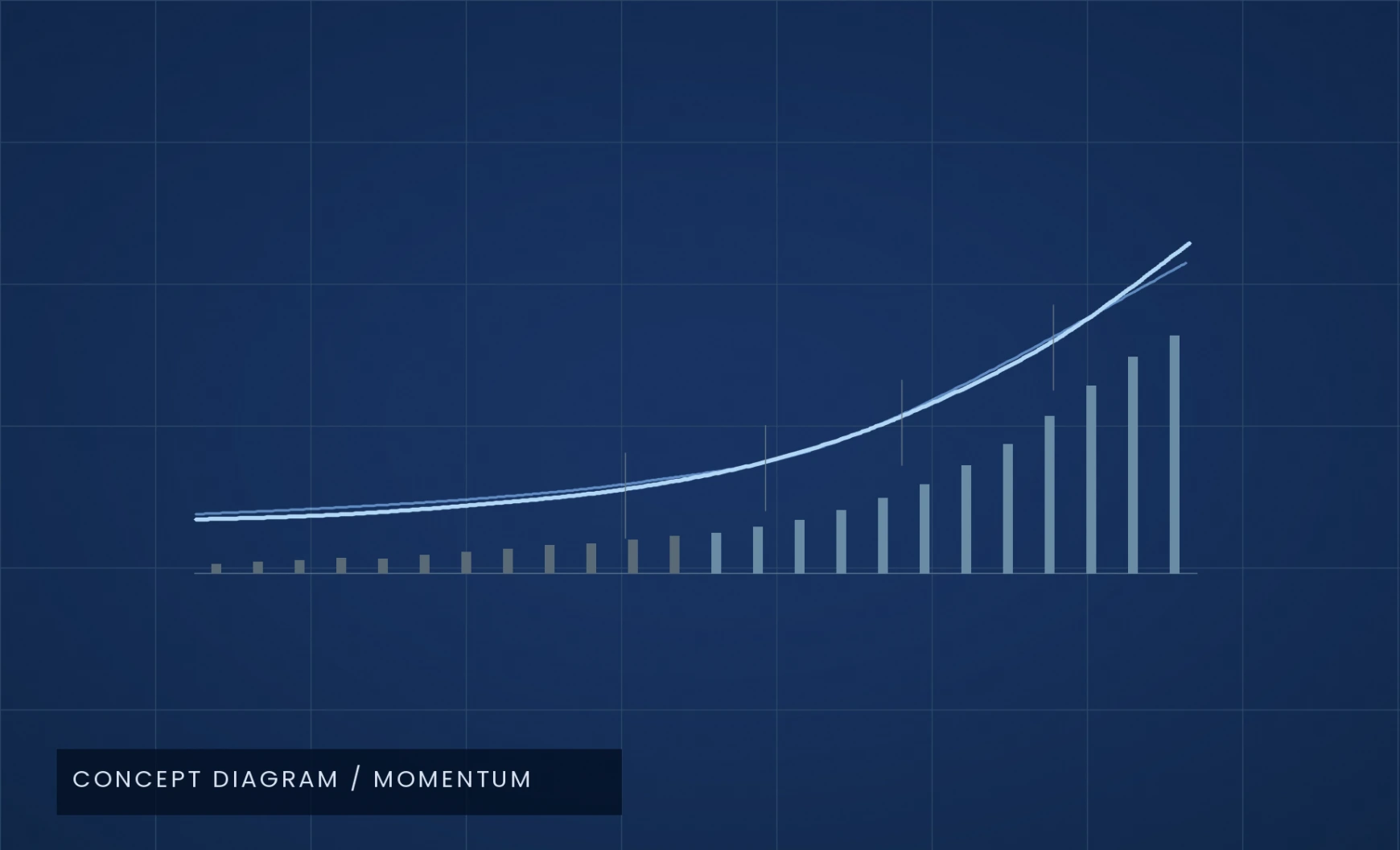
02 / Momentum

Is the move building?

Rate of change, participation and relative strength reveal whether a move is building, sustaining or fading.
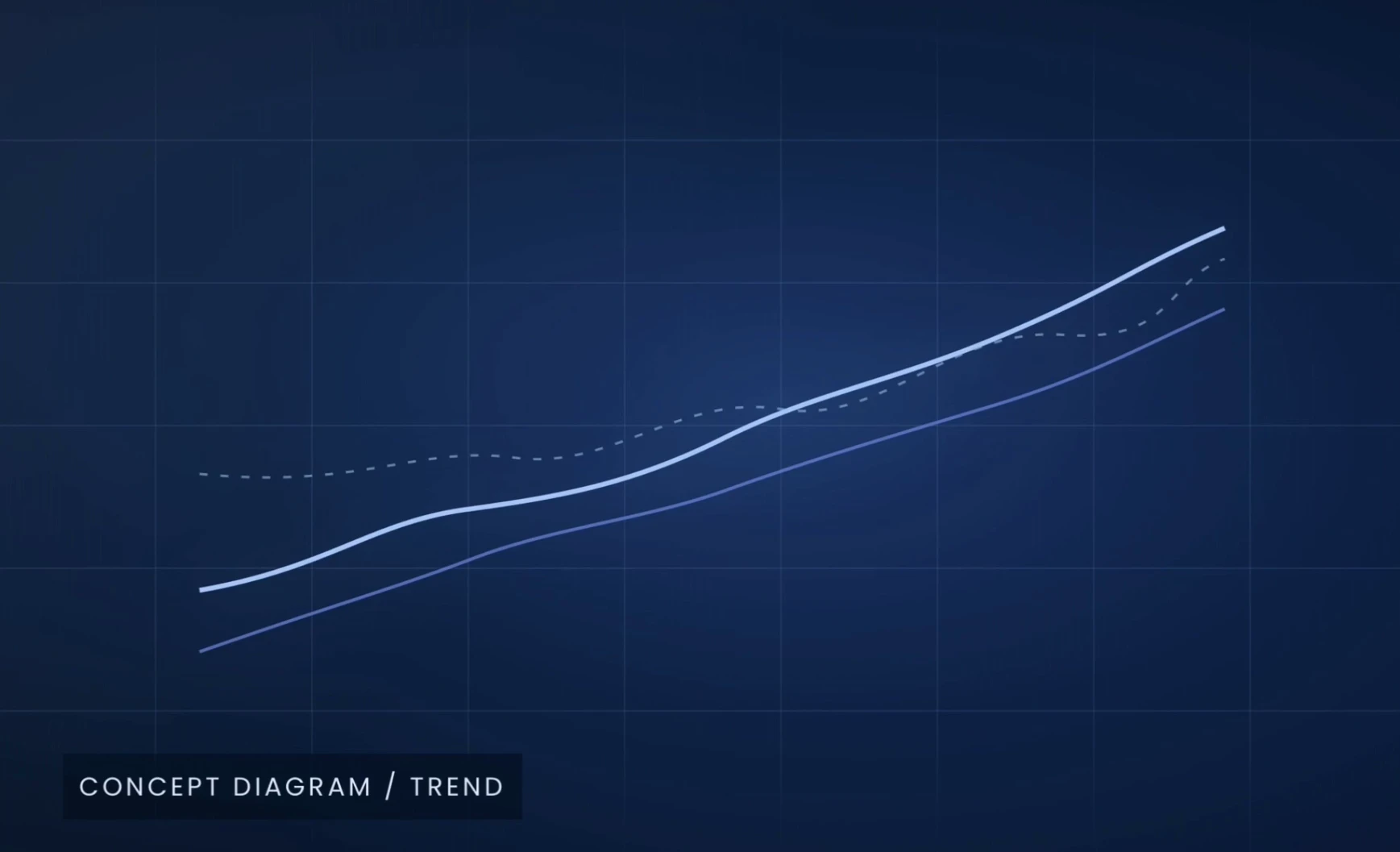
03 / Trend

Does the direction persist?

Direction, persistence and breaks can be read across the institution’s selected horizons.
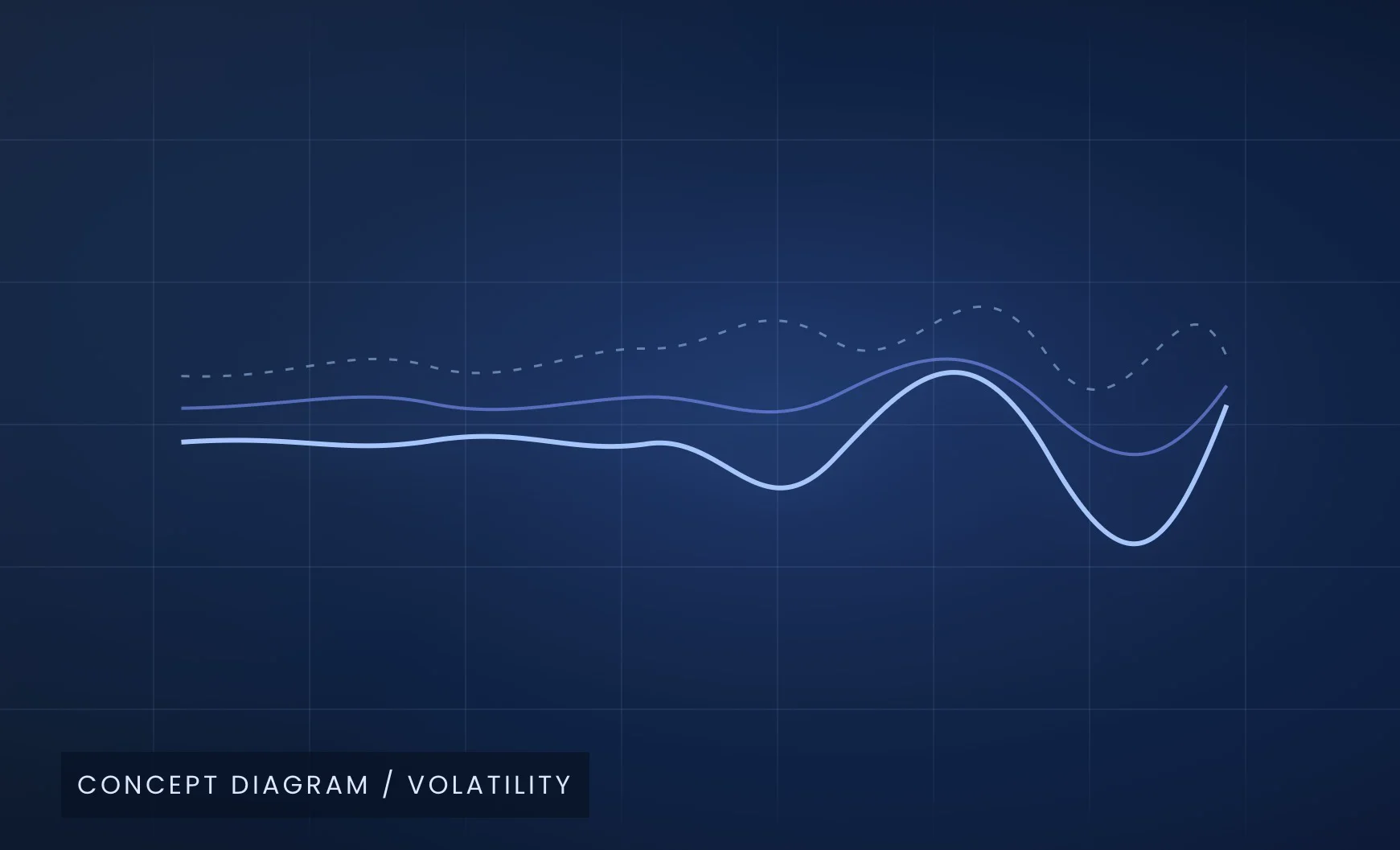
04 / Volatility

What regime are we in?

Realised and implied volatility, clustering and transitions frame how conditions are changing.
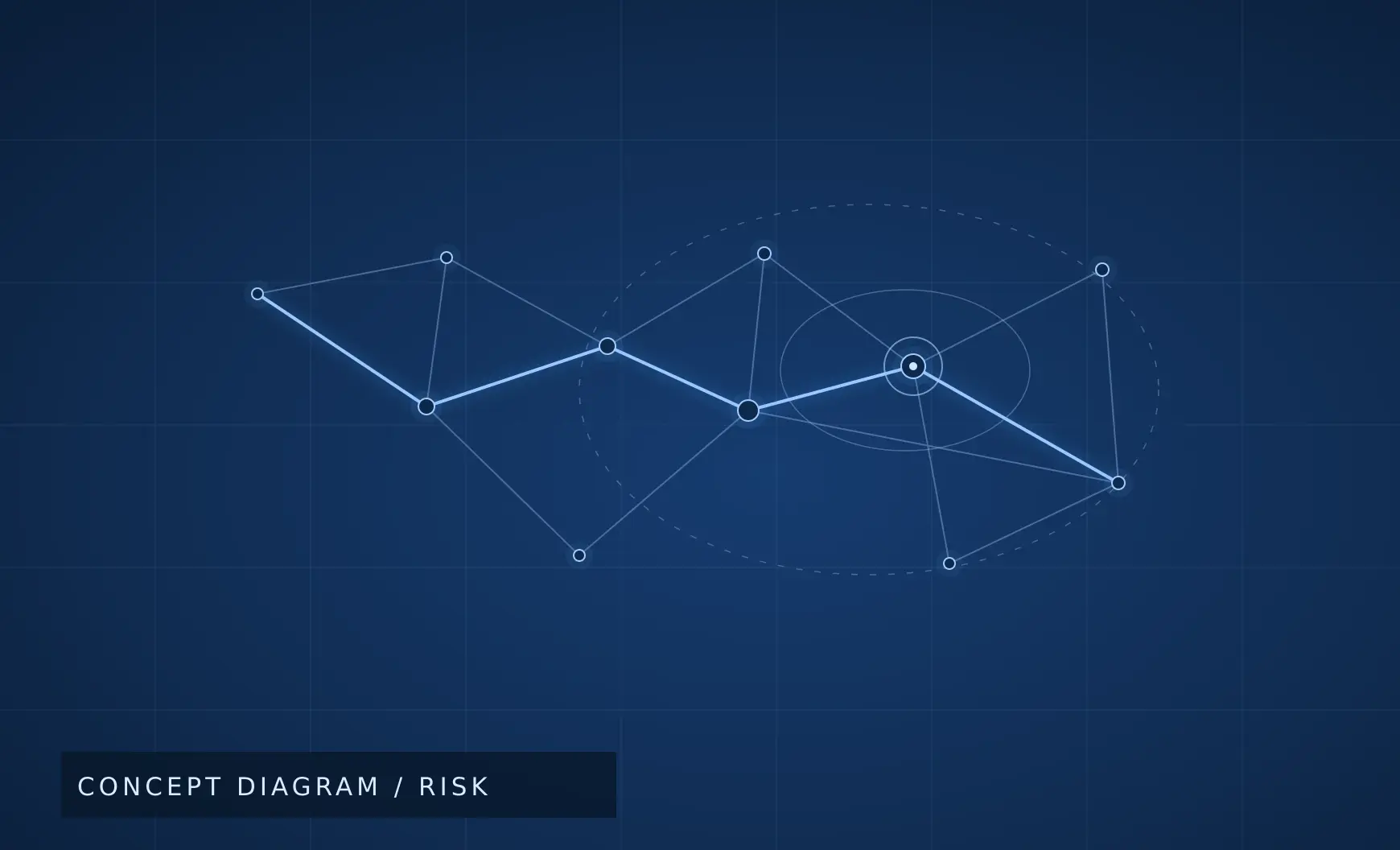
05 / Risk

What drives the exposure?

Concentrations, factor sensitivities and dependencies make the sources of risk easier to inspect.
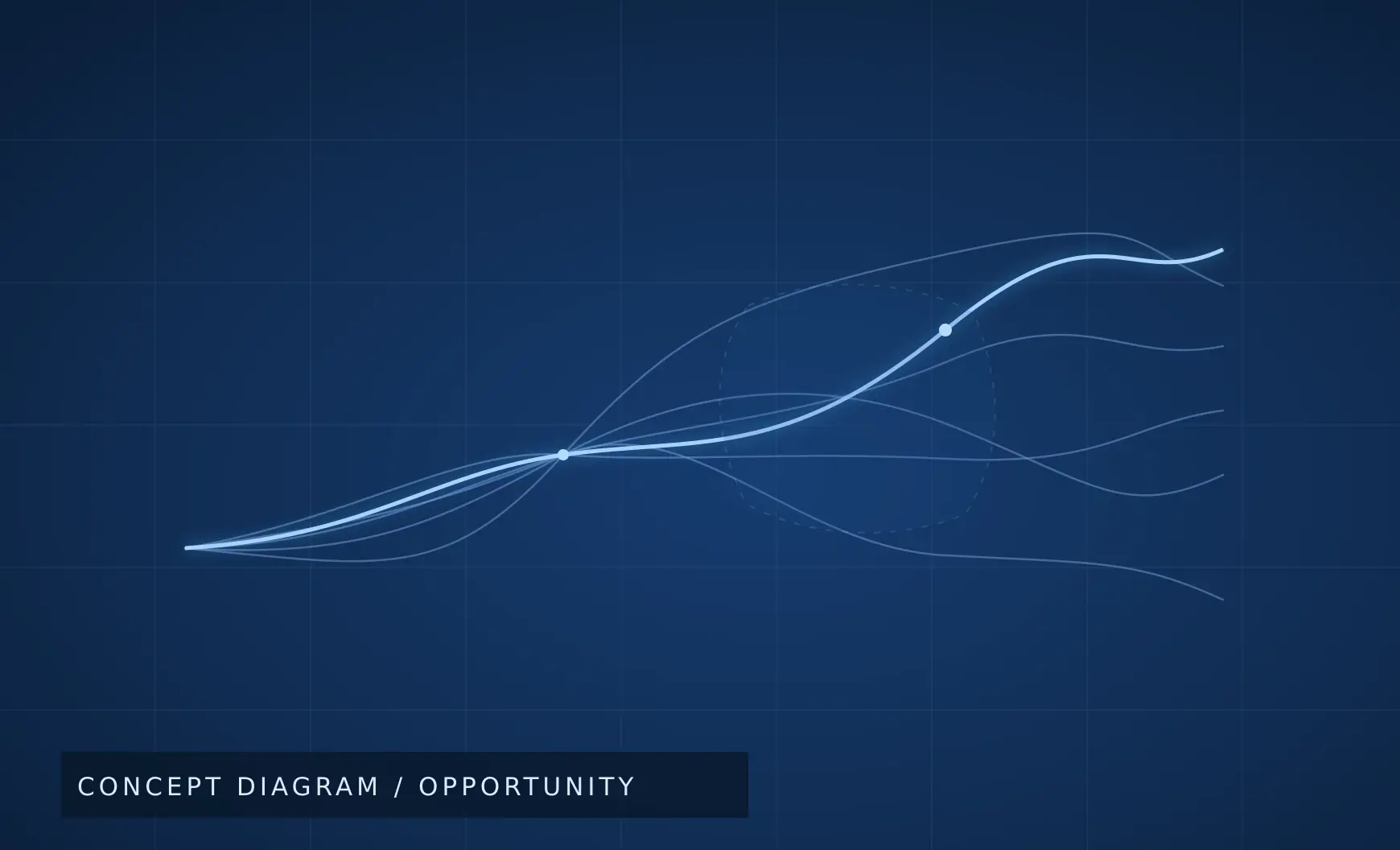
06 / Opportunity

Where do conditions diverge?

Divergences across permitted markets and holdings highlight questions for closer review.
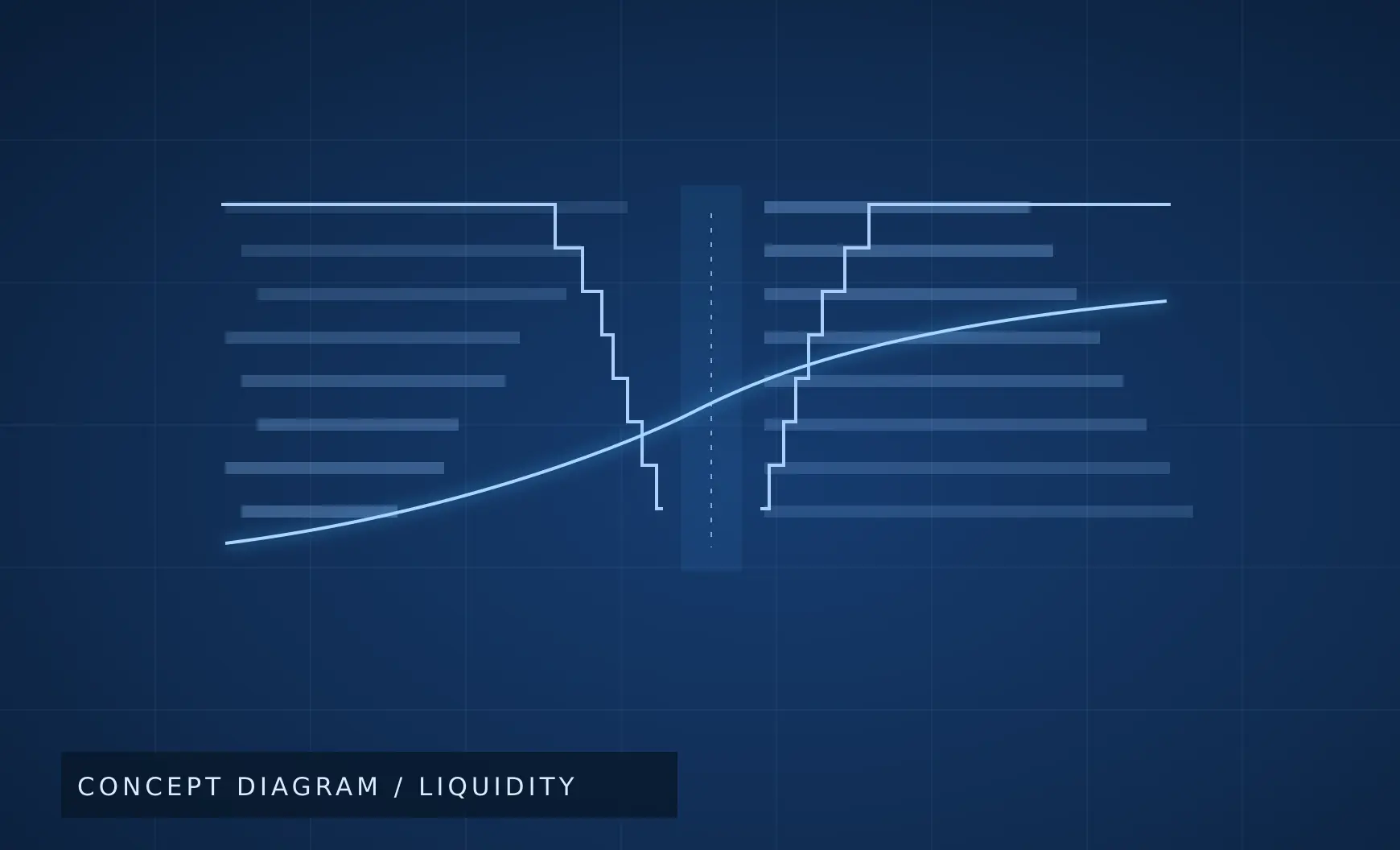
07 / Liquidity

How much depth remains?

Depth, participation and capacity frame the liquidity of an exposure under stated assumptions.
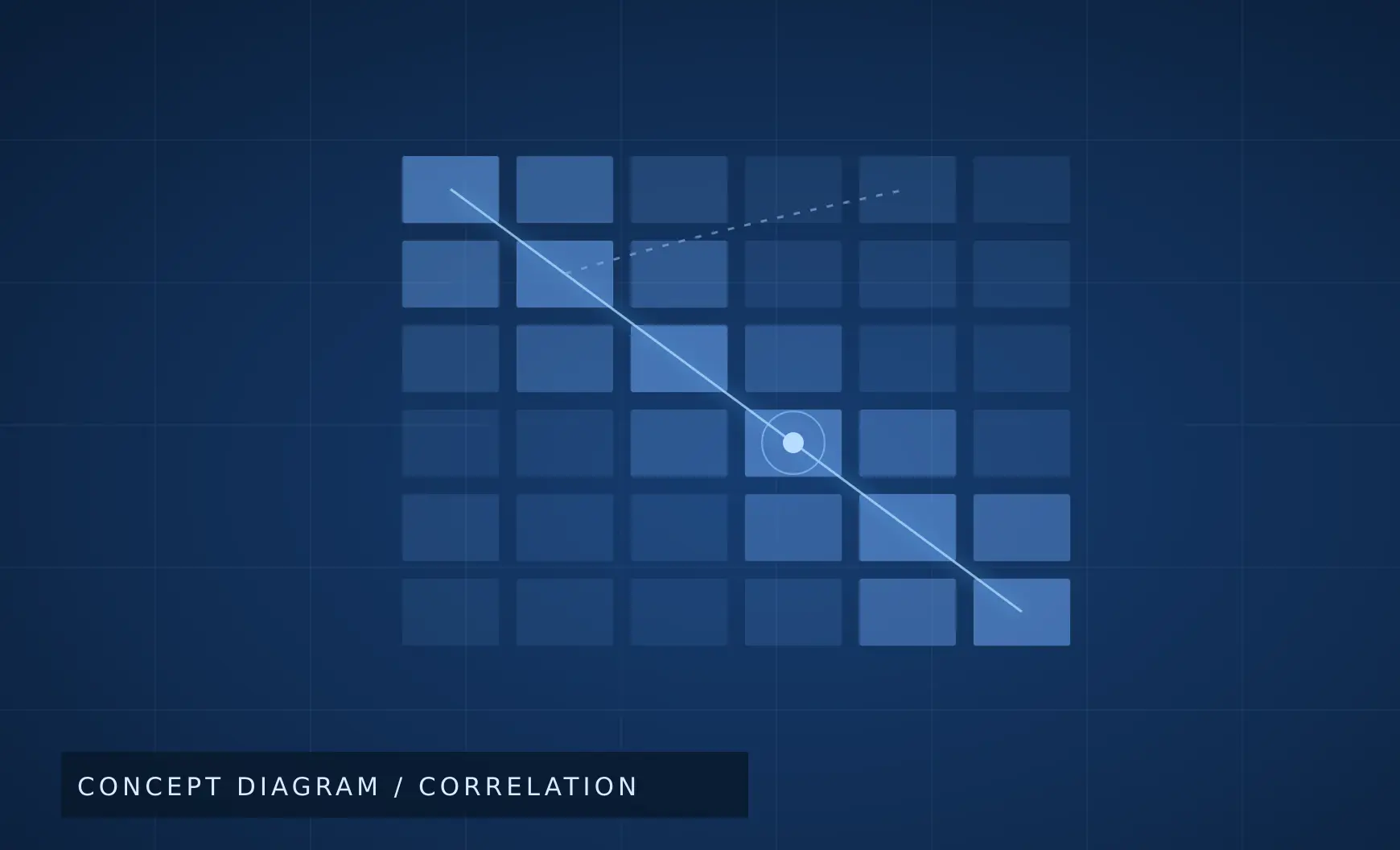
08 / Correlation

What is moving together?

Relationships across holdings and factors show where diversification may hold or weaken.

02 / Read within your rules

The read.
Within your rules.

Policy Lenses condition analytical reads against the institution’s adopted rule set. The methodology, reasons and ruleset version stay with the record.

Phase 3 roadmap · Shariah is the first instance in design.

01

Shariah

Rule boundary
The adopted Shariah methodology and screening criteria.
Configuration
Screens, thresholds and status rules set for the adopted methodology.
Retained record
Ruling, reasons and ruleset version for audit.
02

Mandate drift

Rule boundary
The institution’s mandate and permitted investment universe.
Configuration
Mandate constraints, drift thresholds and status rules.
Retained record
Result, reasons and ruleset version for audit.
03

ESG

Rule boundary
The institution’s adopted ethical and ESG criteria.
Configuration
Selected criteria, thresholds and the permitted universe.
Retained record
Result, reasons and ruleset version for audit.
04

Concentration and exposure

Rule boundary
The institution’s exposure and concentration limits.
Configuration
Limits and classification rules for the selected mandate.
Retained record
Result, reasons and ruleset version for audit.
05

Evidenced disbursement

Rule boundary
Checks whether the institution’s conditions for releasing funds are met and supported by the required evidence.
Configuration
Conditions, required evidence and status rules.
Retained record
Result, reasons and ruleset version for audit.
06

Regulatory suitability

Rule boundary
The applicable suitability methodology and institutional rules.
Configuration
Adopted screening criteria and status rules.
Retained record
Result, reasons and ruleset version for audit.
07

Bespoke client screens

Rule boundary
The institution’s own governed screening methodology.
Configuration
Client-defined screens, thresholds and status rules.
Retained record
Result, reasons and ruleset version for audit.

03 / Optional synthesis · TELESCOPE

Bring the perspectives
into view.

Selected lens reads can be brought together through optional TELESCOPE synthesis. Agreement, conflict and confidence remain visible.

Synthesis core in staging · Illustrative journey

TELESCOPE / Interactive example

Read the agreement.
Keep the conflict.

Invented example data · categorical demonstration · synthesis core in staging

KADETELESCOPE / SYNTHESIS

Example: Portfolio, Momentum, Trend, Opportunity and Liquidity support the interpretation. Volatility, Risk and Correlation remain unresolved.

Positions represent supports, unresolved or challenges. They are not measured scores, probabilities or investment recommendations.

Illustrative workspaceInitial lens reads · No live data

Each perspective keeps its evidence. Optional synthesis brings the reads together; the institution retains the decision.

01 / AGREEMENTTELESCOPE

Where the reads
come together.

See where selected perspectives support the same reading.
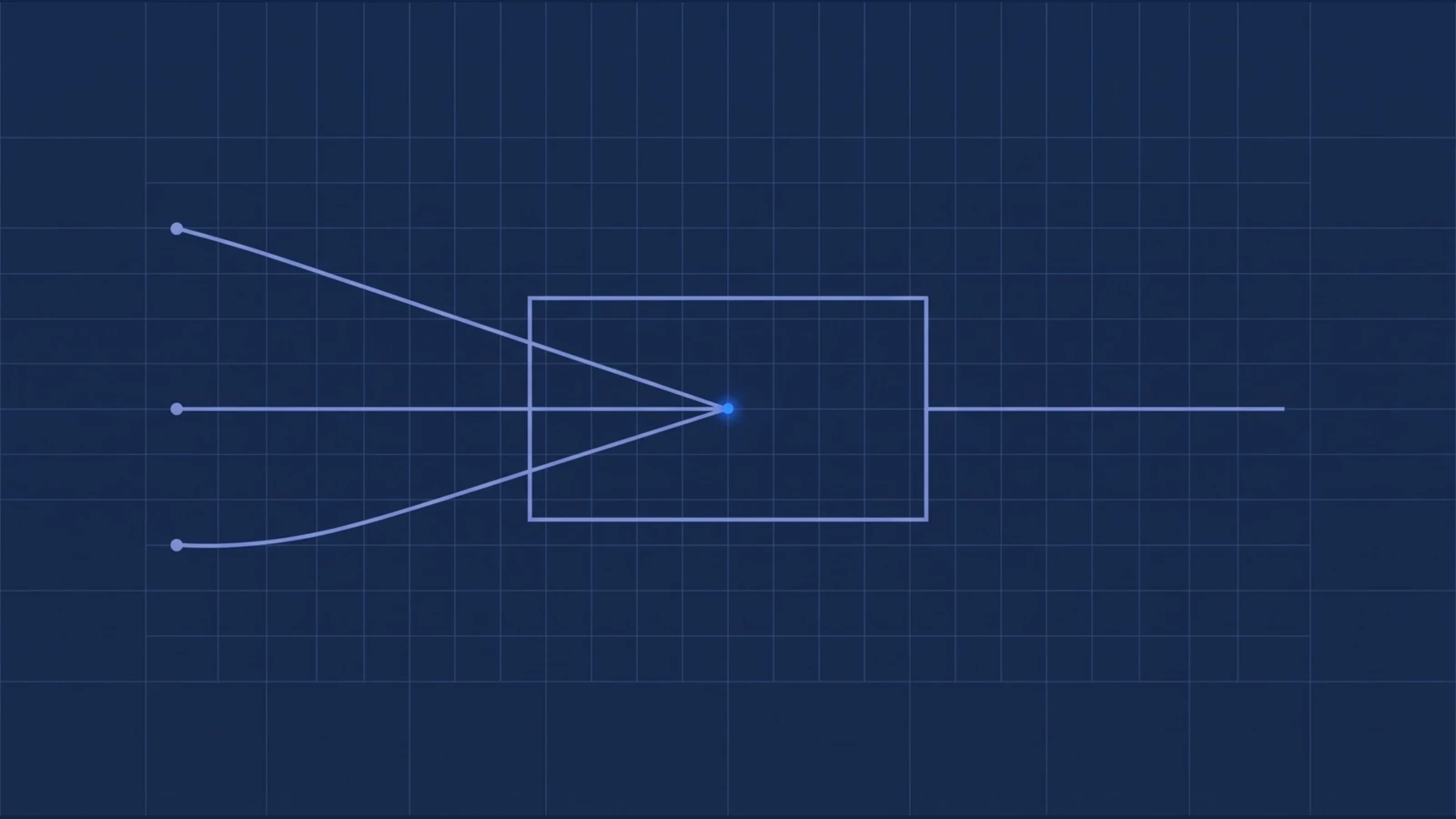
ILLUSTRATIVE SYNTHESIS / AGREEMENT
SELECTED PERSPECTIVES / SHARED READING01 / 03
02 / CONFLICTTELESCOPE

Keep the differences
in view.

Keep differences between the reads visible.
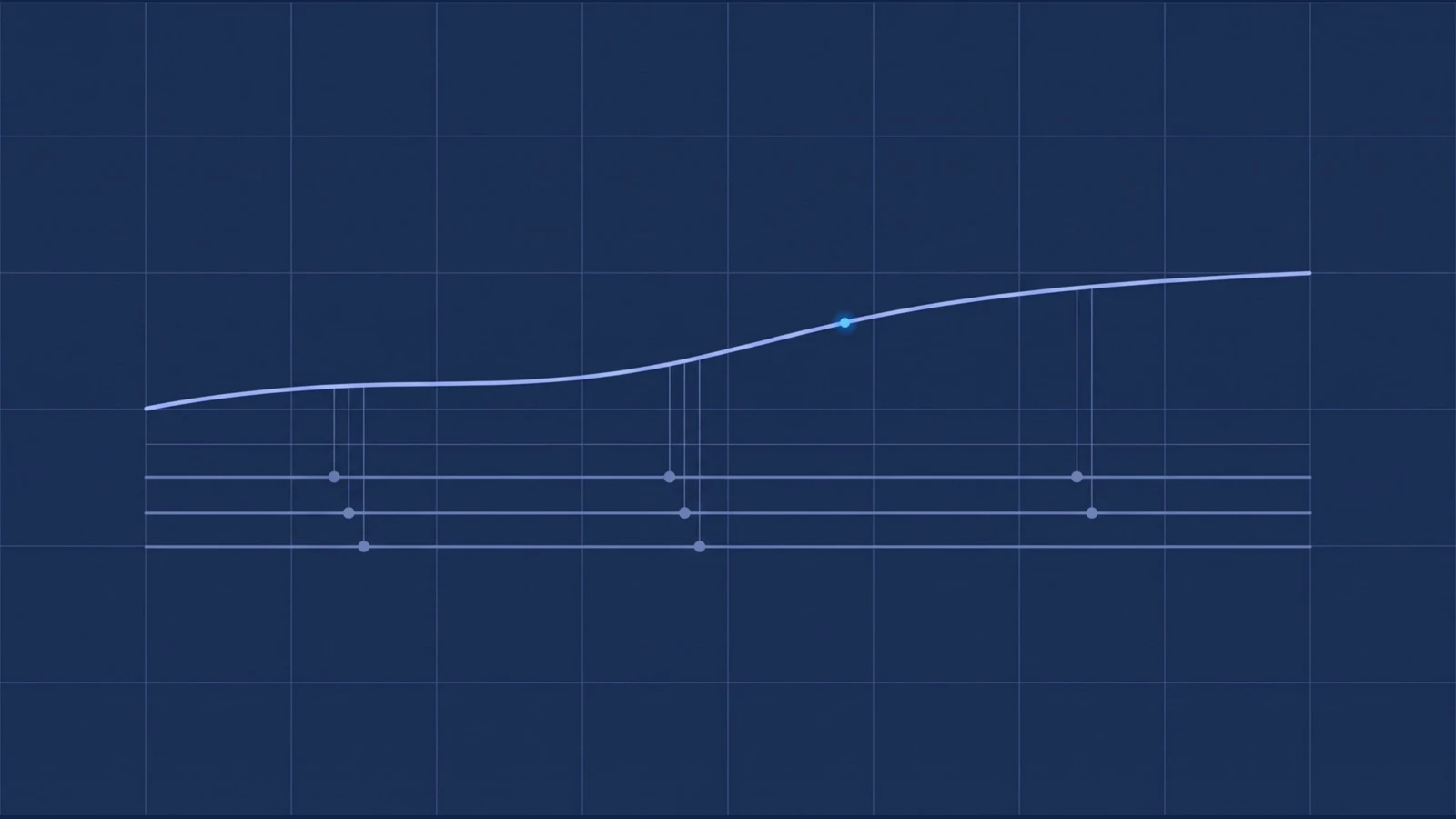
ILLUSTRATIVE SYNTHESIS / CONFLICT
INDEPENDENT READS / DIFFERENCES RETAINED02 / 03
03 / CONFIDENCETELESCOPE

Keep confidence
alongside the read.

Retain confidence alongside the synthesis.
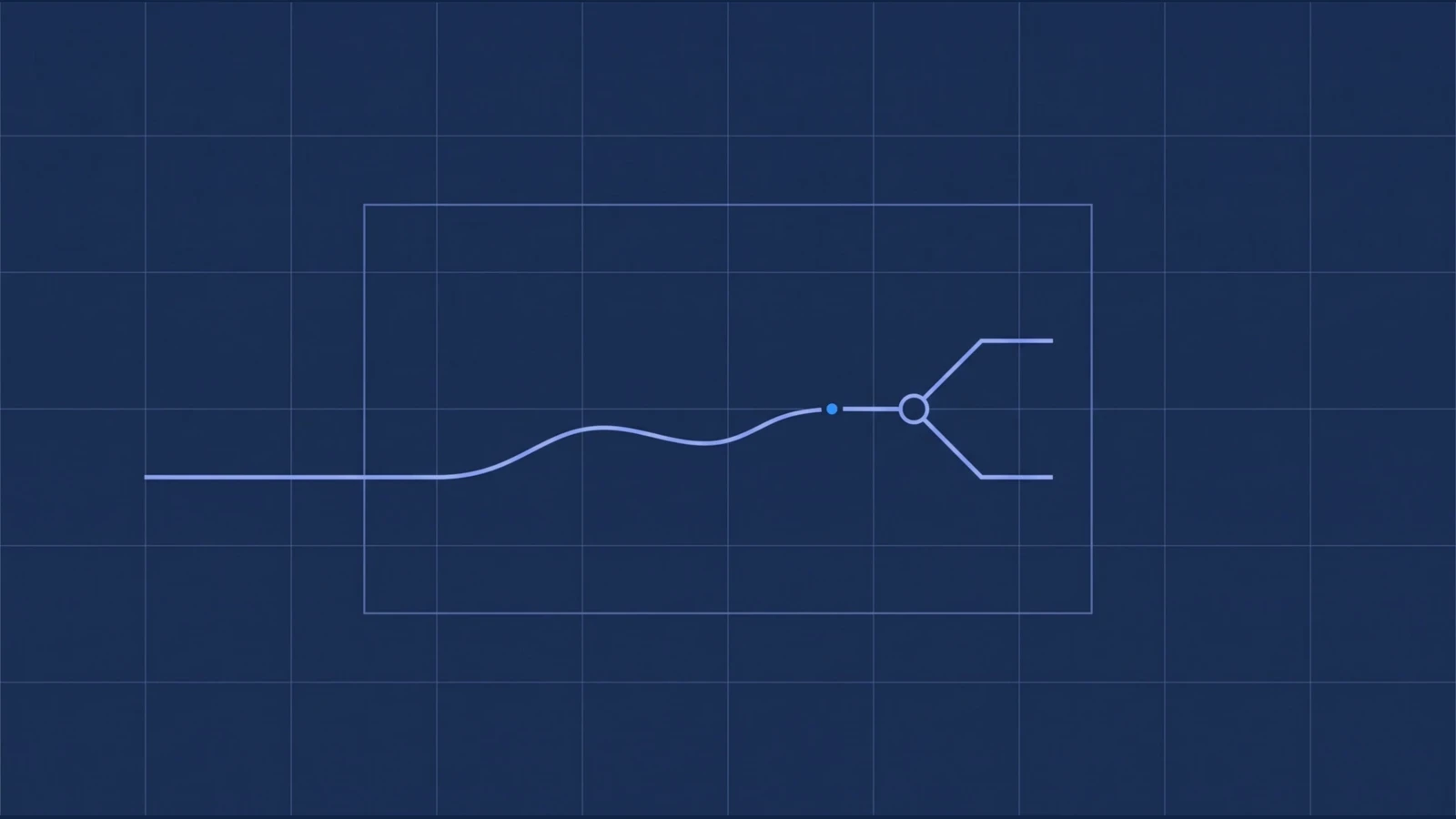
ILLUSTRATIVE SYNTHESIS / CONFIDENCE
OPTIONAL SYNTHESIS / CONFIDENCE RETAINED03 / 03

Follow the evidence

Keep the basis
in view.

Return to the factors, configuration and version behind the analytical view. The institution retains the decision.

See how evidence is retained

04 / Bring your own context

The decision stays
with the institution.

Talk to the team

Example question
Basis to inspect
Boundary
The read depends on permitted inputs, configuration and stated assumptions. It supports institutional review; the institution remains responsible for its decisions.

Illustrative questions · Conceptual visualisations